Why Customer Satisfaction Does Not Always Lead to Customer Loyalty
Many businesses treat customer satisfaction as one of the clearest indicators of success. Positive reviews, satisfied clients, low complaint rates, and customers who speak highly of their experience are all encouraging signals. It is therefore natural for business owners to assume that if they continue delivering good products and services, satisfied customers will eventually become loyal ones.
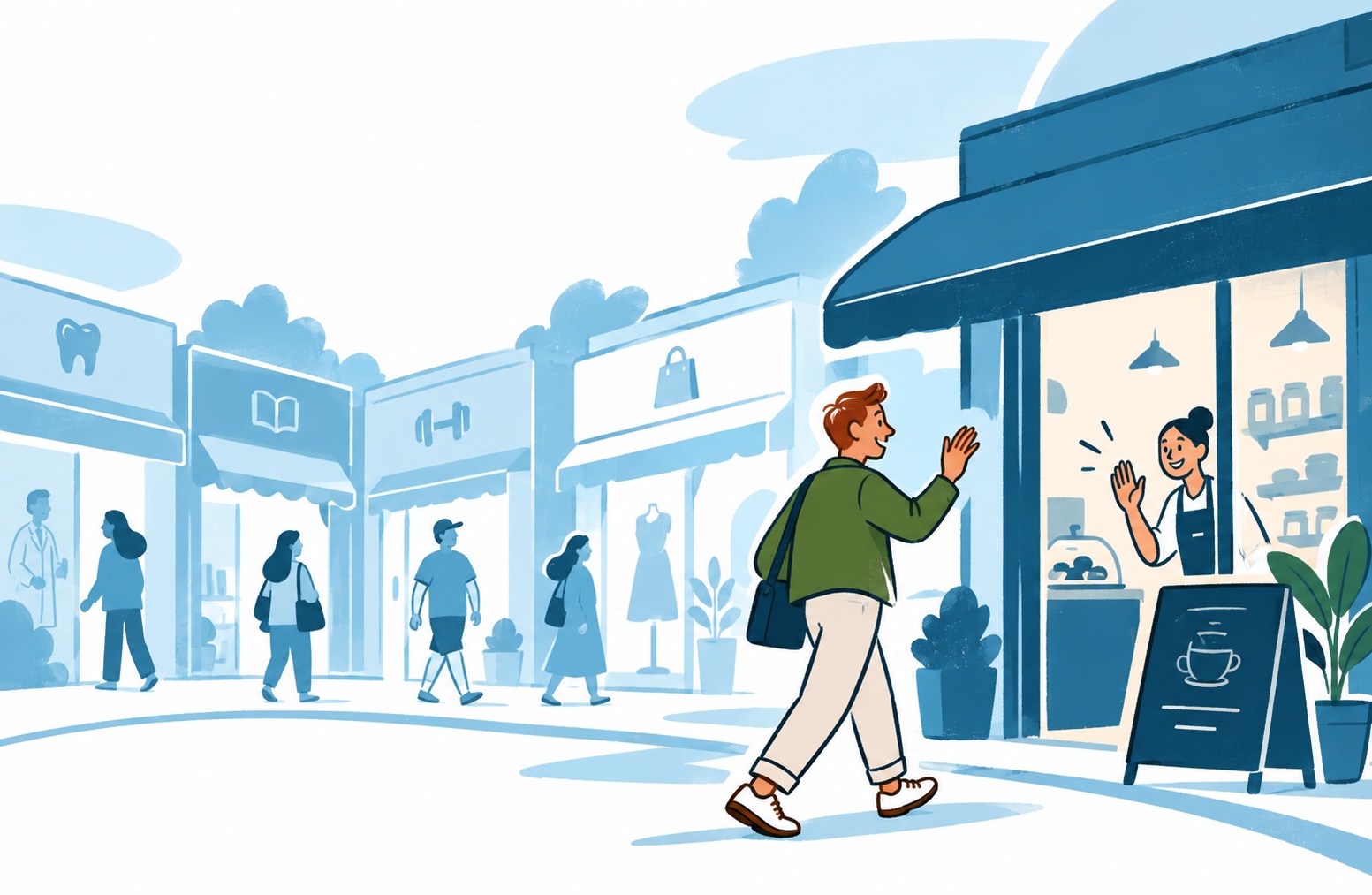
In reality, the relationship is not always that straightforward. A customer can be completely satisfied with a restaurant and choose somewhere else next time. A client can praise a professional service yet compare several other providers when a new need arises. None of this necessarily means the business did anything wrong. Satisfaction and loyalty simply answer two very different questions.
Satisfaction asks, “Did this experience meet my expectations?” Loyalty asks, “When I have other options next time, why should I choose you again?”
Understanding the distance between these two questions is an important step in moving from delivering a good customer experience to building a lasting brand relationship.
Customer Satisfaction Is Often the Starting Point, Not the Differentiator
In most mature markets, good quality, professional service, reliable delivery, clean environments, and helpful employees are already expected. A dentist is expected to provide competent treatment, a lawyer to handle a case professionally, a restaurant to serve good food, and a consulting firm to deliver what it promised. Customers may certainly be satisfied when these expectations are met, but competitors are working to meet the same expectations.
This creates a challenge that businesses can easily overlook. If five companies in the same market are all capable of satisfying their customers, satisfaction alone does not determine which one will be chosen next time. A business may genuinely provide an excellent experience and receive strong customer feedback, yet the market is not an examination in which the company with the highest score automatically wins the next purchase.
There is therefore an important distinction between satisfaction and loyalty: satisfaction can come from having no reason to leave; loyalty requires having a reason to return. The more valuable question for a business is not simply how to make this experience successful, but whether that experience is gradually creating a reason for the customer to choose the brand again.
From “This Company Is Good” to “This Company Is Right for Me”
Before loyalty develops, another important shift often takes place: preference. Customers can believe that several companies are equally good while still feeling naturally drawn toward one of them when it is time to make a decision. That preference may not come from a single functional advantage. It can emerge from the way a company communicates, serves its customers, designs its environment, behaves, or simply creates the feeling that “this company understands people like me.”
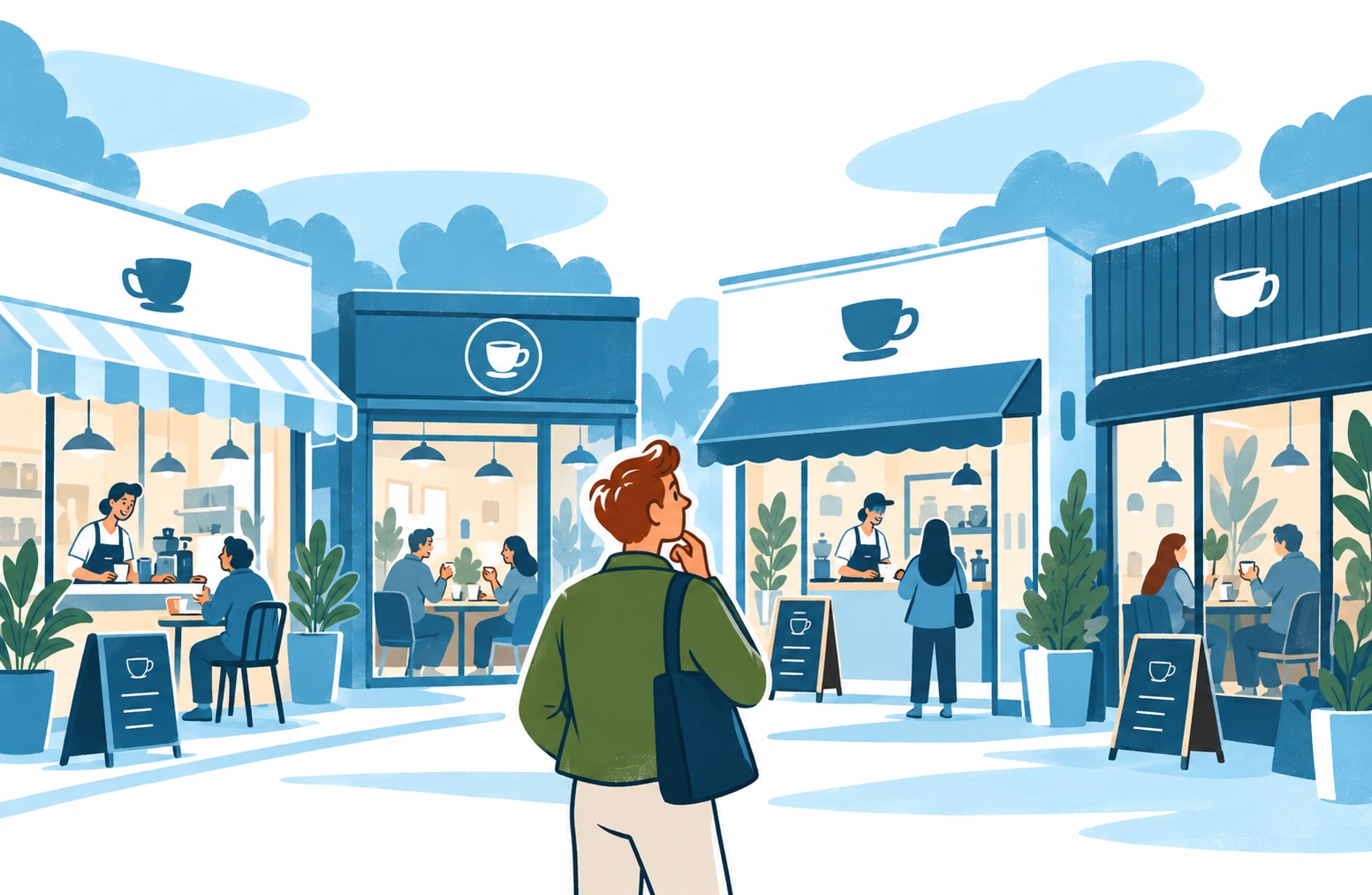
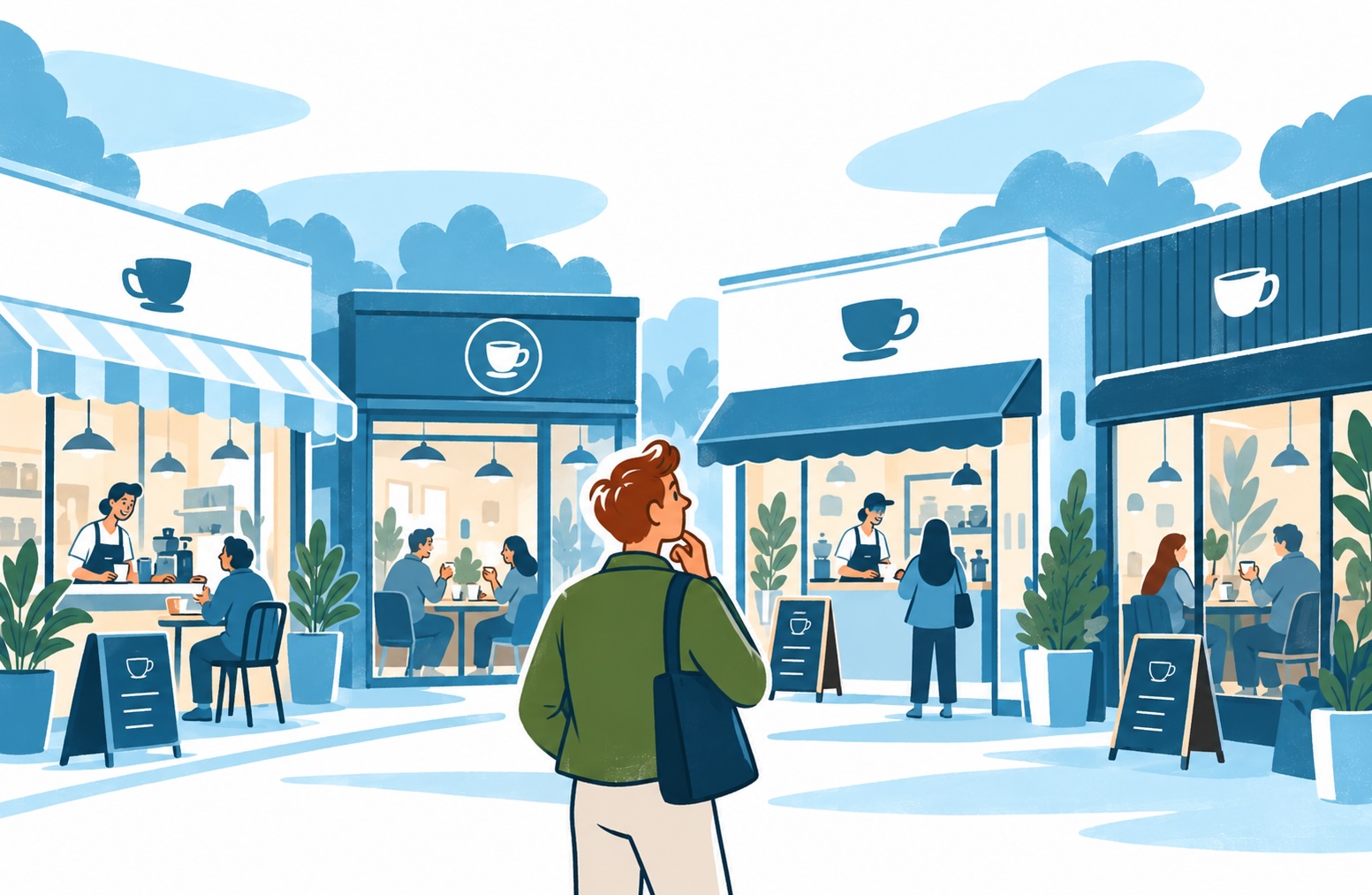
Consider a customer who thinks five nearby coffee shops all serve good coffee but repeatedly returns to one of them. The product may not be dramatically superior, yet the space, staff, music, menu, service style, and overall atmosphere create a sense of familiarity. Gradually, the business moves from being “one of several good options” to becoming “the one I prefer.”
This is where branding begins to play a more meaningful role. The objective is not only for customers to think, “This is a good company,” but eventually, “This company feels more right for me.” The first is an assessment of quality. The second begins to establish brand preference—and preference is much closer to influencing the next choice than satisfaction alone.
Trust Reduces the Need to Choose Again
For many professional services, loyalty does not necessarily depend on strong emotional attachment. It often comes from something much more practical: trust. Every time customers switch dentists, lawyers, accountants, consultants, suppliers, or other professional service providers, they incur a form of decision cost. They need to research alternatives, compare providers, determine whether someone new is reliable, explain their situation again, and accept the risk of making the wrong choice.
When a company repeatedly demonstrates that it can be trusted, the need to conduct that comparison begins to decline. Customers may never say they “love” the brand, but they know the company is reliable, understands their needs, and provides a reasonably predictable experience. Continuing with a trusted provider can therefore feel more sensible than taking another risk with an unknown alternative.
This is why loyalty does not always require a powerful emotional bond. Particularly in healthcare, legal services, consulting, education, and business-to-business services, “I know they are reliable, so I do not need to take another risk” can itself represent an extremely valuable brand relationship. For businesses in these categories, building trust may be far more important than trying to manufacture affection.

A Customer Can Be Satisfied and Still Forget You
Even when customers are highly satisfied, businesses face another simple reality: will customers remember the brand when the next need arises? Satisfaction occurs around the time of the transaction, while the next purchase may happen six months, one year, or several years later. If the company disappears entirely from the customer’s awareness during that period, a positive past experience may not be enough to ensure future consideration.
This is where brand memory becomes important. Businesses often focus heavily on attracting customers before a purchase and delivering a good experience during the transaction, but pay less attention to what happens after it ends. When a new need eventually appears, customers rarely revisit every company they have ever been satisfied with. They are more likely to begin with the few brands that are easiest to remember, most familiar, and already trusted.
Brand building therefore does not end when a transaction is completed. Appropriate ongoing communication, a recognizable brand experience, and clear impressions created across repeated interactions can all influence whether the business remains mentally available to the customer. Having once satisfied a customer and being remembered when that customer needs you again are two different achievements.
One Good Experience Creates Satisfaction. Consistency Builds Trust.
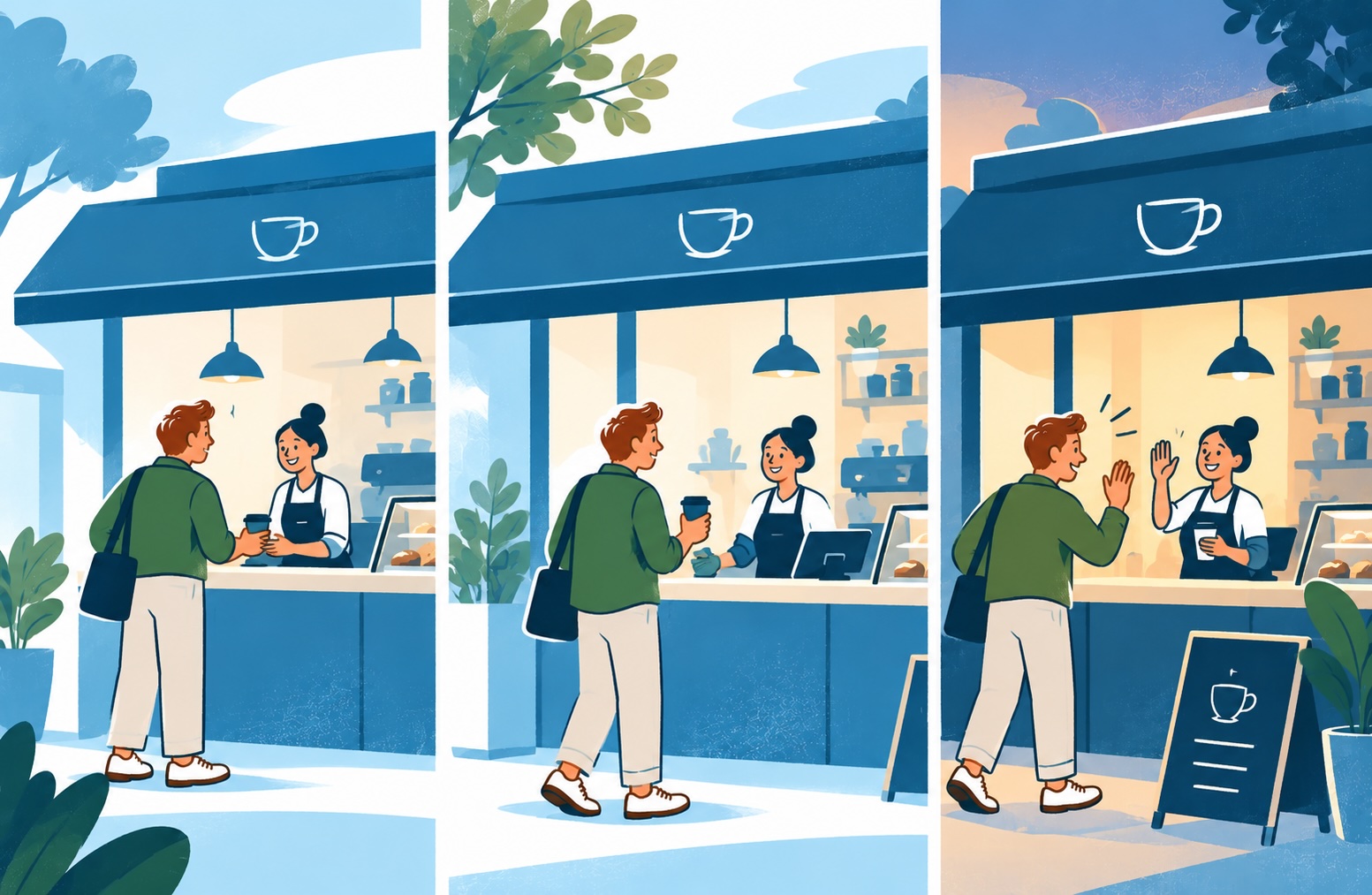
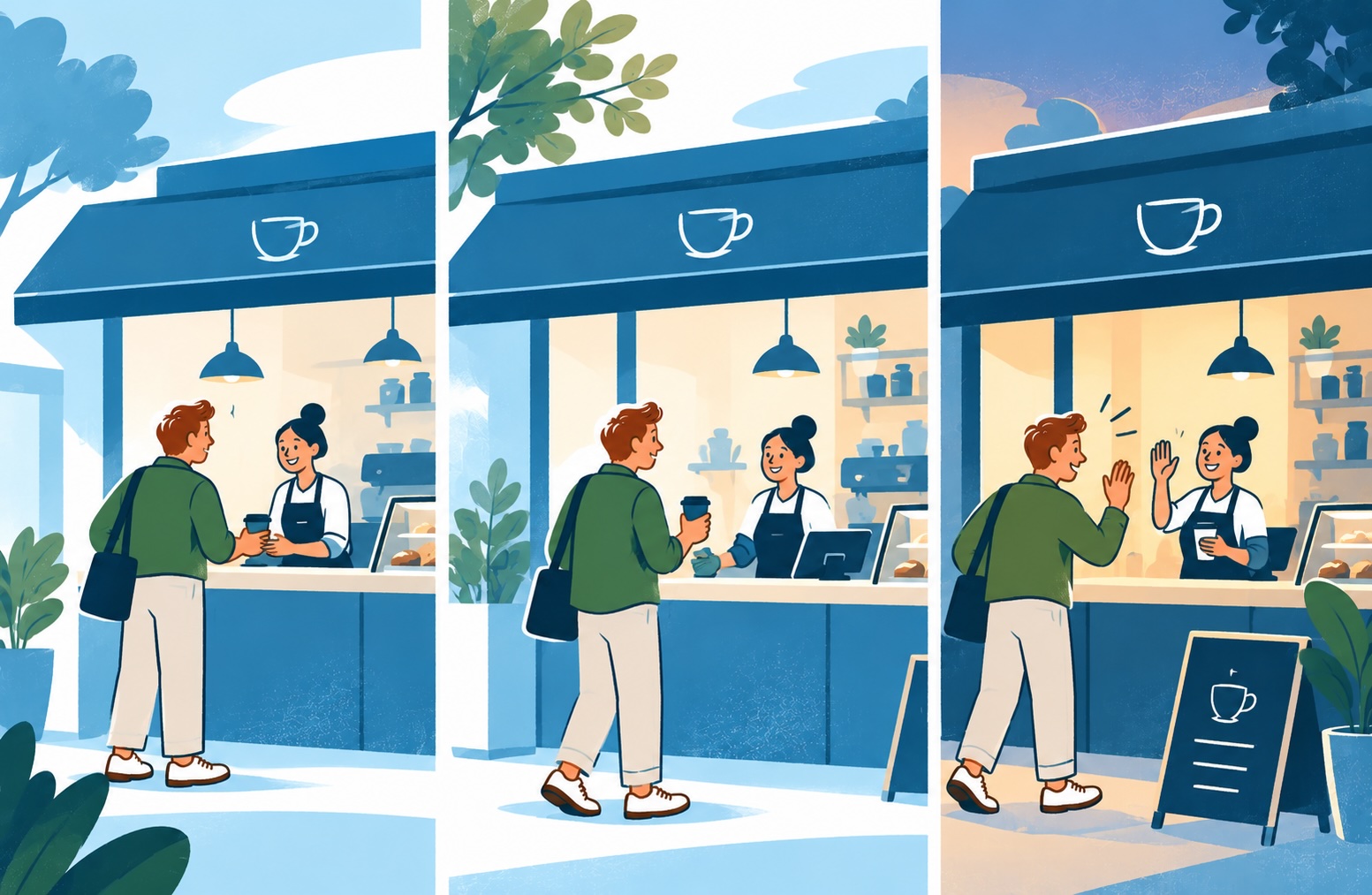
Another important ingredient of loyalty is predictability. After an excellent first visit to a restaurant, a customer might say, “It was great last time.” If the second, third, and fifth visits deliver a similarly strong experience, that perception can gradually become, “This place is consistently good.” The two statements sound similar, but psychologically they mean very different things.
“It was great last time” describes a past experience. “This place is consistently good” begins to contain an expectation about the future. Once customers believe the next experience is likely to meet the same standard, uncertainty in the decision decreases. The brand no longer represents only what happened in the past; it begins to function as a promise about what customers can reasonably expect next.
This is why brand experience cannot depend entirely on occasional moments of delight. A remarkable experience may create a strong impression, but if the next interaction feels completely different, it becomes difficult to establish stable trust. One good experience can create satisfaction; consistently good and predictable experiences begin to create trust. As that trust accumulates over time, repeated choice has a greater chance of becoming loyalty.
Loyalty Does Not Always Mean “Loving the Brand”
When businesses think about brand loyalty, they often picture lifestyle, luxury, or sports brands with highly devoted communities. This can create the impression that loyalty requires customers to develop a strong emotional attachment. In reality, loyalty can take very different forms across different industries.
For some brands, emotional identification is genuinely important. Customers may feel that a brand represents their taste, values, aspirations, or way of life. Choosing the brand becomes partly a way of expressing who they are. In these situations, the relationship can move beyond functional preference and become part of the customer’s identity, creating a particularly strong form of loyalty.
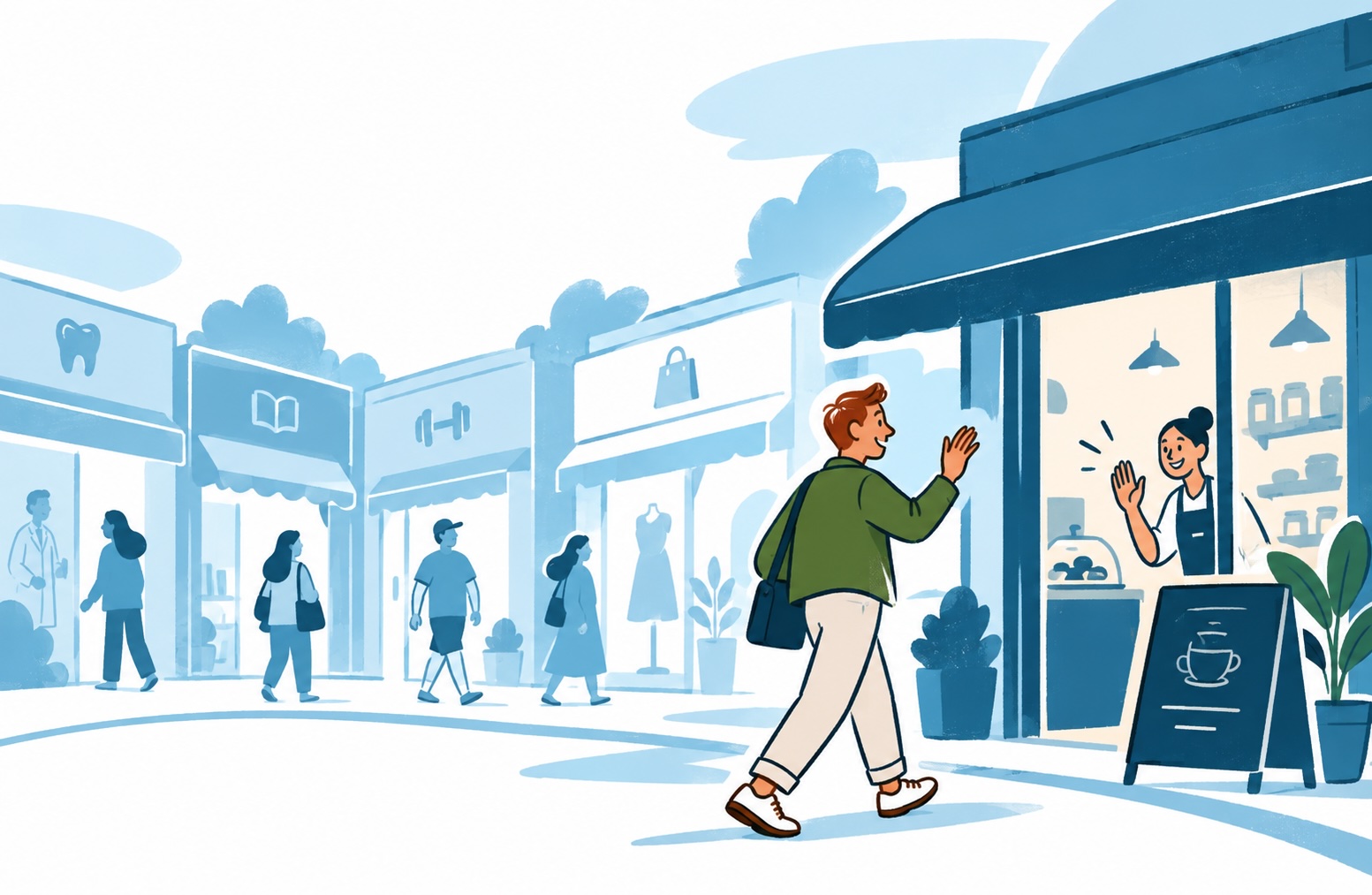
A dentist, accountant, lawyer, consultant, or business supplier does not necessarily need customers to feel that way. Customers may remain loyal because they trust the company, understand how it works, believe it understands them, and repeatedly receive a dependable standard of service. That relationship can be just as commercially valuable. Rather than trying to make every customer “love the brand,” businesses need to understand what actually makes customers in their particular market willing to choose them repeatedly.
A Brand Consultant’s Perspective: Manage the Reason to Return, Not Just Satisfaction
At SAM BRANDESIGN, we see customer satisfaction as an essential foundation of brand building, but not as the final outcome. The more revealing question is what happens between a customer completing one satisfying transaction and actively choosing the same brand again.
The answer may include the quality of the product or service, but it can also involve whether the brand has created a clear preference, established trust through consistent experiences, remained present in the customer’s memory, and gradually developed the perception that “this company is simply a better fit for me.” Together, these factors can turn a successful individual experience into a longer-term customer relationship.
Businesses can therefore go beyond asking, “Are our customers satisfied?” and ask a more demanding question instead: If a competitor appeared in front of our customer tomorrow, what reason would that customer have to choose us again? That question can reveal much more about whether the brand is actually building long-term value.
Conclusion: Brand Loyalty Is Revealed at the Next Choice
Customer satisfaction matters. Without good products, reliable services, and positive experiences, it is difficult for any brand to build a lasting relationship. But satisfaction describes the outcome of an experience, while loyalty develops gradually through trust, memory, preference, consistency, and repeated choice.
The value of a brand is therefore not simply reflected in whether customers leave saying, “That was good.” It becomes more visible when another need arises, alternatives remain available, and the customer still naturally remembers, trusts, and chooses the same company again.
The question businesses should track may not only be:
“Was the customer satisfied this time?”
A more valuable question is:
“When the customer has other options next time, do they have a strong enough reason to choose us again?”
When a good experience gradually becomes a reason for the next choice, customer satisfaction begins to develop into brand loyalty.
客戶滿意,為什麼不代表客戶會忠誠?
很多企業都把「客戶滿意」視為經營成果的重要指標。客戶給出好的評價、服務結束後表示滿意、沒有收到太多抱怨,甚至願意向身邊的人稱讚公司,這些通常都被視為正面的訊號。因此,企業很自然地會認為,只要持續把產品與服務做好,滿意的客戶就會逐漸成為忠誠的客戶。
但實際的市場並不一定如此。一位客戶可能非常滿意這次的消費,下一次卻選擇另一家公司;一家餐廳可以獲得很好的評價,客人幾個月後卻沒有再回來;一位客戶也可能高度肯定某個專業服務,下一次有需求時仍然重新比較市場上的其他選擇。這並不一定代表企業哪裡做錯了,而是因為「滿意」與「忠誠」原本就在回答兩個不同的問題。
滿意回答的是:「這一次的消費有沒有達到我的期待?」忠誠回答的則是:「下一次還有其他選擇時,我為什麼仍然要選擇你?」
理解這兩者之間的差異,是企業從提供良好服務走向建立長期品牌關係的重要一步。
客戶滿意,很多時候只是基本條件
對大多數成熟市場而言,產品品質良好、服務專業、交付準時、環境乾淨、員工態度友善,本來就是客戶購買產品或服務時的基本期待。一位牙醫把治療做好、一位律師專業處理案件、一間餐廳提供好吃的食物、一家顧問公司準時完成工作,客戶當然可能感到滿意,但這些事情同樣也是競爭對手努力做到的。
這就產生了一個企業很容易忽略的問題:如果市場上有五家公司都能讓客戶滿意,「滿意」本身就不足以決定客戶下一次選擇誰。企業可能真的做得很好,客戶也真的沒有任何不滿,但市場競爭從來不是一場單純的品質考試,並不是得到最高分的公司就必然獲得下一次生意。
因此,滿意與忠誠之間存在一個重要差異:滿意可以來自「沒有理由離開」,忠誠卻需要「有理由回來」。 對企業而言,真正值得思考的問題就不只是如何把這一次服務做好,而是這一次好的體驗,有沒有逐漸累積成客戶下一次再次選擇你的理由。
從「這家公司很好」到「這家公司比較適合我」
客戶忠誠開始形成之前,往往會先出現另一個重要的心理變化:偏好。消費者可以同時認為好幾家公司都很好,但在真正需要做決定時,仍然可能自然地偏向其中一家。這個偏好不一定來自單一功能上的優勢,也可能來自服務方式、溝通語氣、環境、品牌個性,甚至是「我覺得這家公司比較懂我」這種很難單獨量化的感受。
例如,一位消費者可能認為附近五家咖啡店的咖啡都不錯,但其中一家就是他最常去的地方。產品品質可能沒有壓倒性的差異,但空間、店員、音樂、產品選擇與整體氣氛共同形成了一種熟悉感,讓這家店逐漸從「很多不錯的選擇之一」,變成「我比較喜歡的那一家」。
這正是品牌開始發揮作用的地方。企業不只是要讓客戶認為「這家公司很好」,而是逐漸讓客戶產生「這家公司比較適合我」的認知。前者是對品質的判斷,後者則開始形成品牌偏好,而偏好往往比單純的滿意更接近下一次真正的選擇。
信任,讓客戶不必每一次都重新選擇
對許多專業服務而言,忠誠甚至不一定來自強烈的情感,而是來自一個更務實的原因:信任。每一次重新選擇牙醫、律師、會計師、顧問、供應商或其他專業服務,客戶其實都需要付出成本。他需要重新搜尋資訊、比較不同選項、判斷新的服務者是否可靠,也要承擔做錯選擇的風險。
當一家企業經過一次又一次穩定的服務,逐漸證明自己值得信任之後,客戶重新比較市場的必要性就會下降。他未必會說自己「熱愛」這個品牌,但他知道這家公司可靠、理解自己的需求,也知道合作過程大致會發生什麼。在這種情況下,繼續選擇原本的品牌往往比重新尋找未知的選項更合理。
因此,忠誠不一定都需要建立在強烈的情感連結之上。尤其在醫療、法律、顧問、教育與企業服務等領域,「我知道它可靠,所以沒有必要重新冒險」本身就是非常有價值的品牌關係。 對這些企業而言,建立信任往往比追求表面的喜愛更加重要。

客戶很滿意,但下一次可能根本沒有想到你
即使客戶對一次體驗非常滿意,企業仍然面對另一個現實問題:下一次需求出現時,客戶是否還記得你?滿意通常發生在交易結束的當下,但下一次需求可能是在六個月、一年甚至幾年之後。如果企業在這段期間完全消失於客戶的生活與認知中,一次很好的體驗未必足以確保下一次仍然被想起。
這也是品牌記憶的重要性。企業經常把注意力集中在成交前如何吸引客戶,以及交易期間如何提供好的服務,卻較少思考交易結束之後,品牌如何繼續存在於客戶的認知裡。當下一次需求出現時,客戶通常不會重新檢視過去所有曾經滿意的公司,而是從當下最容易想到、最熟悉、最信任的幾個選擇開始。
因此,品牌的工作並不在交易完成的那一天結束。持續而適度的溝通、具有辨識度的品牌體驗,以及每一次接觸留下的清楚印象,都可能影響客戶未來是否再次想起你。一個客戶曾經滿意你,和一個客戶在需要時仍然想到你,是兩件不同的事。
一次好的體驗創造滿意,持續的好體驗建立信任
品牌忠誠還有一個非常重要的條件,就是可預期性。第一次到一家餐廳用餐覺得非常好,客戶可能認為「上次很好」;第二次、第三次甚至第五次仍然維持相同水準之後,他的認知才可能逐漸轉變成「這家一直都很好」。看似只是兩句很接近的描述,背後代表的心理意義卻完全不同。
「上次很好」描述的是一次過去的經驗,「這家一直都很好」則開始包含對未來的預期。當客戶相信下一次仍然可以得到相似的品質與服務,他做選擇時需要承擔的不確定性就會降低。品牌因此不只是代表過去發生過什麼,也開始成為客戶對未來體驗的一種承諾。
這也是為什麼品牌體驗不能只依靠偶爾出現的驚喜。一次非常精彩的服務確實可以創造深刻印象,但如果下一次體驗完全不同,企業就很難建立穩定的信任。一次好的體驗可以創造滿意;持續而可預期的好體驗,才開始建立信任。 當這種信任經過時間累積,重複選擇才更有可能逐漸形成忠誠。
忠誠不一定是「愛上品牌」
談到品牌忠誠時,企業很容易想到那些擁有大量忠實支持者的生活方式品牌、精品品牌或運動品牌,進而認為忠誠必須建立在非常強烈的情感連結上。但不同產業的忠誠,其實可能有完全不同的樣貌。
對某些品牌而言,情感認同確實非常重要。消費者可能認為某個品牌代表自己的品味、價值觀或生活方式,甚至透過選擇品牌表達「我是什麼樣的人」。這種關係會讓品牌從功能性的選擇進一步成為個人身份的一部分,因此能產生非常強的品牌偏好。
但對牙醫、會計師、律師、顧問或企業供應商而言,客戶未必需要對品牌產生如此強烈的情感。他可能只是長期相信這家公司、習慣合作方式、認為對方理解自己的需求,而且每一次合作都維持穩定品質。這同樣是一種非常有價值的忠誠。因此,企業不必追求讓所有客戶「愛上品牌」,而是需要理解:在自己的產業裡,究竟是什麼原因讓客戶願意一次又一次地選擇自己。
從品牌顧問的角度來看:不要只管理滿意度,也要管理「再次選擇的理由」
從 SAM BRANDESIGN 的角度來看,我們會把客戶滿意視為品牌經營的重要基礎,但不會把它當成最終結果。企業真正需要理解的,是一個客戶從完成一次滿意的交易,到下一次主動再次選擇品牌,中間究竟發生了什麼。
這可能包含產品與服務本身的品質,也可能包含品牌是否建立清楚的偏好、是否透過持續一致的體驗建立信任、是否在交易結束後仍然留在客戶記憶中,以及客戶是否逐漸認為「這家公司就是比較適合我」。這些因素共同作用,才可能讓一次好的體驗逐漸變成長期的客戶關係。
因此,企業除了問「我們的客戶滿不滿意」,還可以多問一個更有價值的問題:如果明天競爭對手出現在客戶面前,他還有什麼理由再次選擇我們? 這個問題往往比單純的滿意度,更能看出品牌是否真正建立了長期價值。
結語:真正的品牌忠誠,發生在下一次選擇的時候
客戶滿意當然重要。沒有好的產品、服務與體驗,品牌很難建立長期關係。但企業同樣需要理解,滿意只是一次體驗的結果,而忠誠需要經過時間、信任、記憶與重複選擇逐漸形成。
品牌真正的價值,不只是讓客戶在離開時說一句「很好」,而是當下一次需求出現、市場上仍然有許多其他選擇時,他依然自然地想到你、相信你,並願意再次回來。
因此,企業真正值得追蹤的問題,或許不只是:
「客戶這一次滿意嗎?」
而是:
「下一次還有其他選擇時,他有沒有足夠的理由再次選擇我們?」
當一次好的體驗能夠逐漸變成下一次選擇你的理由,客戶滿意才真正開始走向品牌忠誠。