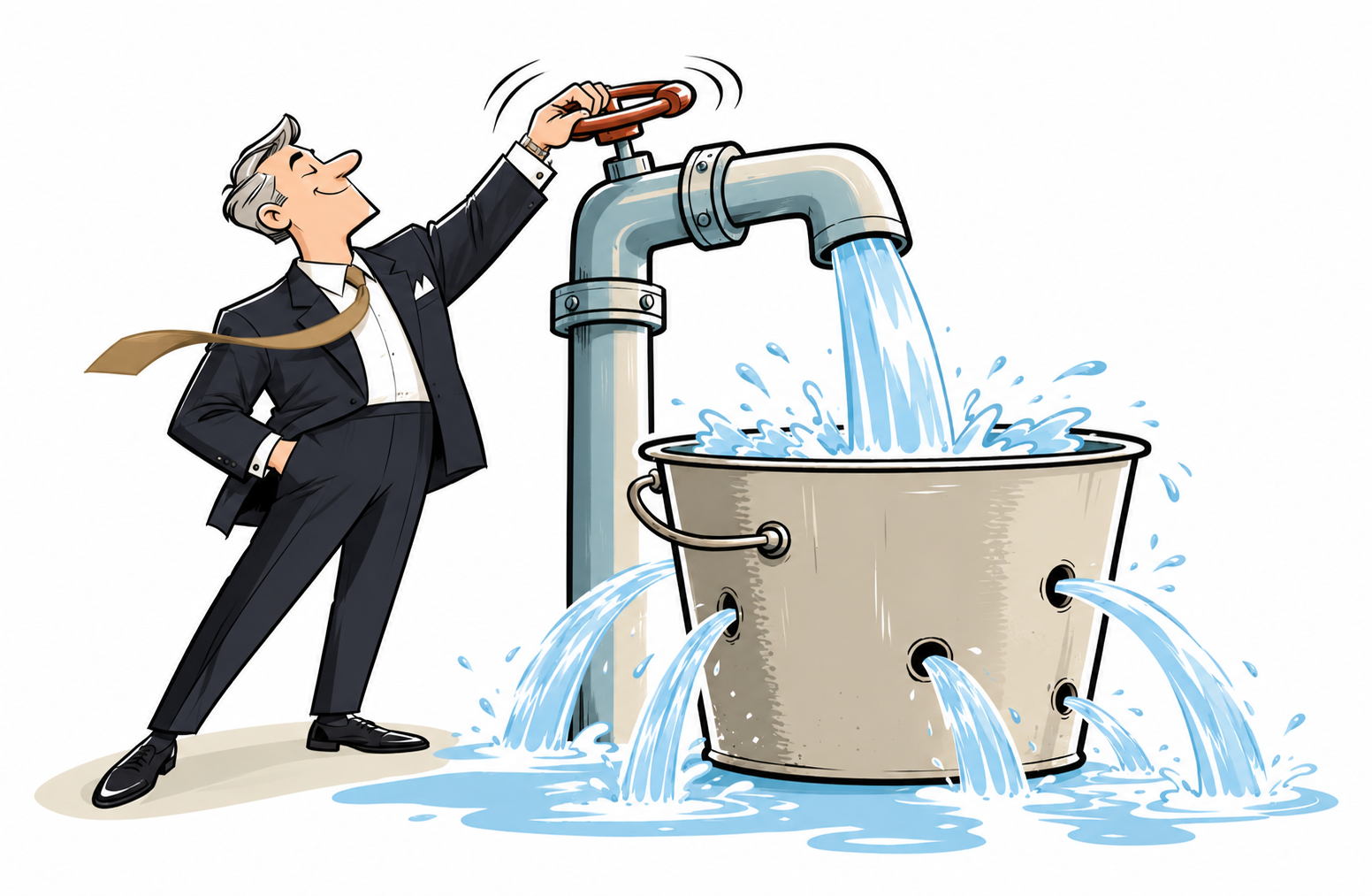
Why Doesn’t More Marketing Always Lead to Better Business Results?
Businesses rarely invest in marketing simply because they want to “do marketing.” The objective is usually much more practical: reach more people, generate more enquiries, attract more customers, and ultimately improve business performance.
That is why, when growth begins to slow, marketing is often one of the first areas companies turn to. They increase advertising budgets, expand to more social platforms, produce more videos, work with influencers, or appoint a new marketing agency. None of these actions is inherently wrong. But when marketing activity keeps increasing while business results remain largely unchanged, the question may no longer be whether the company is doing enough marketing.
More Marketing Does Not Always Mean Better Business Results
A company might go from publishing four pieces of content a month to twelve. It may expand from one social platform to three or four. As advertising budgets increase, website traffic, video views, and even enquiries may rise as well. From a marketing perspective, things appear to be improving.
But businesses ultimately care about more than exposure and engagement. Are more enquiries turning into customers? Are customers still comparing the company primarily on price? Does the sales team still spend significant time explaining why the business is different from its competitors?
If the numbers at the top are improving while these problems remain unchanged, the more useful question is not simply how to generate more exposure. It is where customers are getting stuck between discovering the business and ultimately choosing it.
When Results Disappoint, the Natural Response Is to Do More
It is an understandable reaction. If an advertisement underperforms, change the creative. If social media is not growing, produce more content. If videos are not generating enquiries, try another format. If the current marketing agency is not delivering, appoint a different one.
Any of these decisions could be right. The problem is that if a business does not yet understand what is limiting its results, doing more may simply mean putting more resources into the same unresolved problem.
Imagine advertising initially brings in 1,000 potential customers. After increasing the budget, that number rises to 2,000. But those customers still struggle to understand how the product differs from its competitors or why it deserves a higher price. The company has successfully attracted more people, but it has also brought more people into the same unresolved situation.
This is also why branding and marketing, while closely connected, should not be treated as the same thing. As we discussed in “Branding vs. Marketing,” understanding their different roles matters—but when business results are underperforming, the more important task is first to identify where the problem actually lies.

The Same “Marketing Problem” Can Have Very Different Causes
If the market barely knows a company exists, its products receive insufficient exposure, or its advertising consistently reaches the wrong audience, marketing itself may indeed be the first thing to examine.
But if people are already discovering the company and making enquiries, yet still struggle to understand its difference or see a compelling reason to choose it, the problem may extend beyond marketing. The business may need to clarify whom it is really serving, what value it creates, and how it wants to be understood by the market. This is where brand strategy begins to matter.
This connects to a question explored in “What Value Can Branding Create When Products Are Becoming More Alike?” When product differences become increasingly difficult for customers to distinguish, generating more exposure alone does not necessarily create preference. Businesses also need to give customers a meaningful reason to choose them beyond specifications and features.
There is another possibility. Customers may understand the value and decide to buy, only to discover that the actual product or service experience does not match what was promised. In that case, increasing advertising—or even redesigning the brand—may not be the priority. The underlying issue may lie in the product, service, or operations.
All three situations can easily be described as “marketing isn’t working.” Yet they require very different solutions.

Not Every Business Problem Is a Brand Problem
It is easy for brand consultants to look at every challenge through the lens of branding. But businesses do not benefit from having every problem reframed as a brand problem.
A weak product does not suddenly become a strong one because it has been repositioned. A mismatch between price and market cannot be solved through a new brand identity alone. If enquiries are coming in but the sales process fails to follow up effectively, the problem may lie in sales. If the company makes a strong promise but repeatedly fails to deliver it, the priority may be operations and customer experience.
On the other hand, if the product and service are mature, marketing consistently brings potential customers in, yet the market still cannot clearly understand what the company stands for or why it deserves to be chosen, doing more marketing may simply amplify a brand that has not yet been clearly defined.
Not every business problem is a brand problem. But not every underperforming marketing effort is simply a marketing problem either.
The Better Question Is: Where Are Customers Getting Stuck?
From a brand consultant’s perspective, the more useful question is often not “What should we do next?” but “Where are customers getting stuck?”
If people are not seeing you, marketing may be the first area to examine. If they see you but do not understand you, the business may need to clarify its brand and value. If they understand you but still do not have enough reason to choose you, positioning, trust, and competitive relevance may need closer examination. And if they choose you but do not want to return, the problem may lie in the product, service, or customer experience.
 The final stage matters just as much as the first. As we explored in “Why Customer Satisfaction Does Not Always Lead to Customer Loyalty,” completing a transaction—or even delivering a satisfactory experience—does not guarantee that customers will choose the same company again. What businesses are ultimately building is a relationship that extends from first contact to repeated choice.
See → Understand → Choose → Return.
Each stage affects the business result, and each can break for a different reason. “Business isn’t improving” is therefore not enough of a diagnosis to determine what a company should do next. The priority is to identify where customers are getting stuck and what is preventing them from moving forward.
Doing more does not necessarily create better business results. Find what is actually limiting the outcome first, and you will have a much clearer idea of where the next investment of time and budget should go.
Once a business begins looking at the problem this way, a more useful question emerges: Is this actually a brand problem, a marketing problem, or an operations problem?
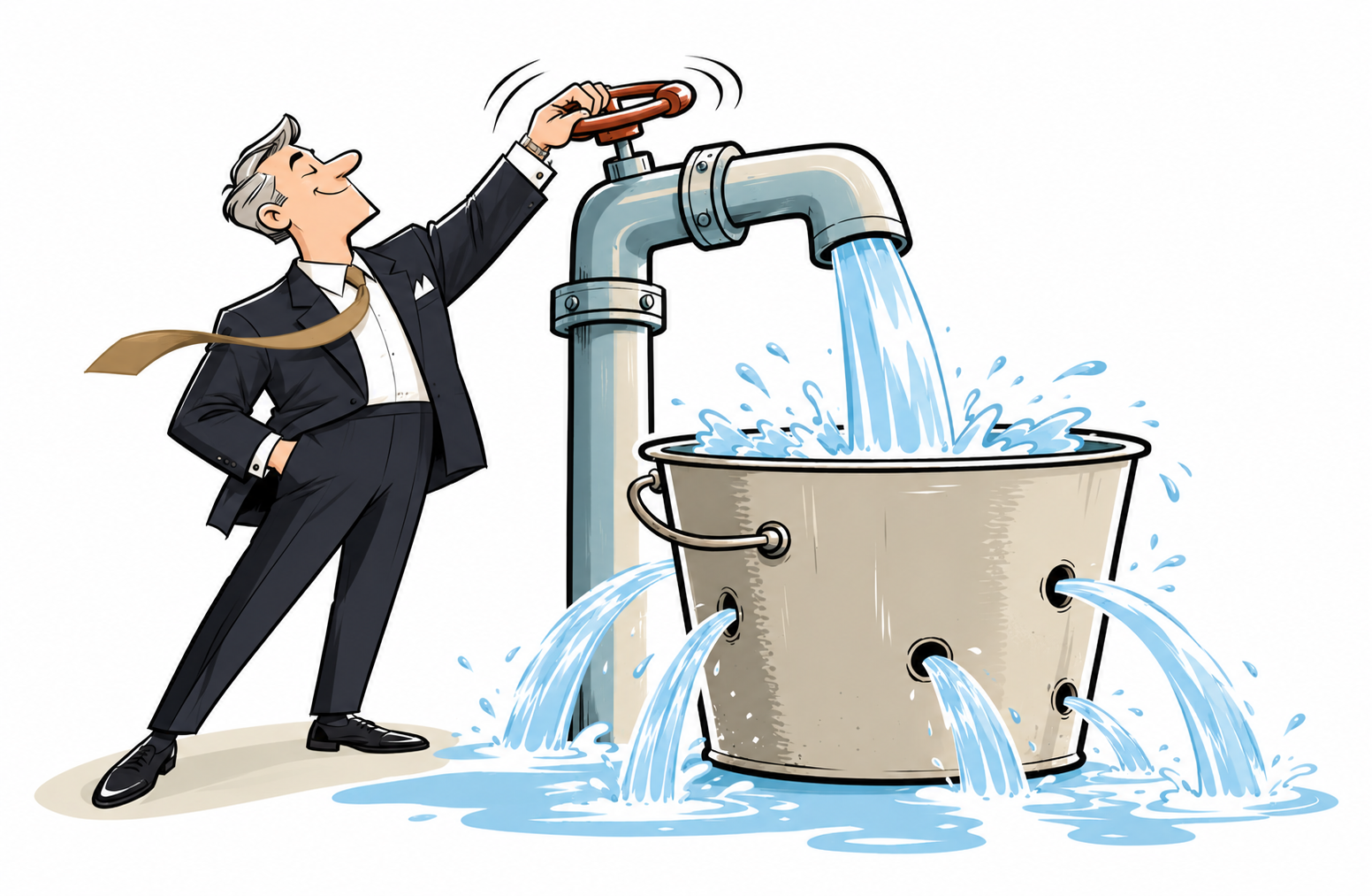
行銷做了很多,為什麼生意還是沒有變得更好?
企業開始做行銷,目的通常很直接:希望更多人知道、帶來更多詢問、增加更多客戶,最後讓生意變得更好。
因此,當生意成長開始放慢,很多企業第一個想到的也是行銷。增加廣告預算、經營更多社群平台、拍更多影片、找 KOL 合作,或換一家新的行銷公司。這些做法本身都沒有錯,但如果做了一段時間,行銷活動愈來愈多,生意卻沒有出現相對應的改變,企業真正需要思考的,可能就不只是「行銷還做得不夠」。
行銷增加了,商業結果不一定同步增加
一家公司原本每個月發布四篇內容,後來增加到十二篇;原本只經營一個平台,後來同時進入三、四個平台;廣告預算增加之後,網站流量、影片觀看甚至詢問數也可能跟著上升。從行銷數據來看,很多事情確實正在變好。
但企業真正關心的,通常不是內容發了多少、曝光增加多少,而是這些投入最後有沒有讓生意變得更好。詢問增加之後,成交有沒有跟著增加?客戶是不是仍然只比較價格?業務是不是還需要花很多時間解釋公司與競爭者有什麼不同?
如果前面的數字增加了,後面的問題卻沒有改變,那麼企業真正需要理解的,就不只是如何得到更多曝光,而是從被看見到最後被選擇之間,究竟卡在了哪裡。
當結果不好,我們很容易選擇「再多做一點」
這是一個很自然的反應。廣告效果不好,就換素材;社群沒有成長,就增加內容;影片沒有帶來詢問,就嘗試新的形式;原本的行銷公司沒有達到期待,就再換一家。
其中任何一個決定都可能是對的。問題在於,如果企業還不知道真正限制結果的是什麼,「做更多」很可能只是把更多資源投入同一個問題。
例如,廣告原本帶來 1,000 個潛在客戶,增加預算之後變成 2,000 個,但進來的人依然看不懂產品與競爭者有什麼差異,也沒有足夠理由相信它值得更高的價格。增加流量確實帶來更多人,卻也只是讓更多人遇到原本沒有被解決的問題。
這也是為什麼,品牌與行銷雖然彼此密切相關,卻不能被當成同一件事情。我們過去在 〈品牌與行銷:有何不同之處?〉 中曾經談過兩者角色的差異;當企業已經持續投入行銷,結果仍然沒有改善時,更重要的往往不是急著替兩者劃分工作,而是先確認問題到底發生在哪裡。

同樣是「行銷沒有效果」,背後可能是完全不同的問題
如果市場根本不知道你的存在,產品沒有得到足夠曝光,或者廣告一直觸及錯誤的客群,企業首先需要檢查的,很可能就是行銷本身。
但如果已經有不少人看見、甚至主動詢問,客戶卻始終不理解你與競爭者的差異,不知道為什麼值得選擇你,或最後只能透過價格來做決定,那麼問題可能已經不只發生在行銷。企業需要進一步釐清自己真正服務誰、提供什麼價值,以及希望市場如何理解自己,這才開始進入 Brand Strategy(品牌策略)的範圍。
這也延續了我們在〈當產品越來越像,品牌還能創造什麼價值?〉 中討論過的問題:當產品本身愈來愈難形成明顯差異,企業不能只依靠更多曝光,而需要讓客戶理解除了產品規格之外,為什麼這個品牌值得被選擇。
另一種情況是,客戶已經理解價值,也願意購買,但真正使用產品或接受服務之後,體驗卻與原本的承諾不同。這時候再增加廣告,甚至重新設計品牌,都未必是最優先的答案,因為問題可能存在於產品、服務或 Operations(營運)本身。
表面上,它們都可能被企業描述成「行銷沒有效果」,但需要解決的事情其實完全不同。
不是每一個生意問題,都是品牌問題
品牌顧問很容易從品牌的角度看所有問題,但企業真正需要的,不應該是把每一個問題都解釋成品牌問題。
產品沒有競爭力,不會因為重新定位就突然變成好產品;價格與市場不匹配,也不能只靠新的品牌形象解決。如果銷售收到詢問卻沒有妥善跟進,企業需要處理的可能是銷售流程;如果對外承諾很好,實際服務卻總是做不到,更應該先處理交付與客戶體驗。
反過來說,如果產品與服務已經成熟,行銷也持續把客戶帶進來,但市場仍然不知道企業代表什麼、為什麼值得選擇,那麼繼續增加行銷,也可能只是持續放大一個尚未被說清楚的品牌。
不是每一個生意問題,都是品牌問題;但也不是每一個行銷效果不好的問題,都只是行銷問題。

真正需要看的,是客戶停在了哪裡
從品牌顧問的角度來看,比起立刻決定下一個行銷方法,我們更關心的是:客戶究竟停在了哪一個環節?
沒有人看見你,可能需要先檢查行銷;有人看見,卻不理解你,可能需要重新釐清品牌與價值;客戶理解你,卻沒有足夠理由選擇你,就需要進一步檢查定位、信任與競爭關係;而如果客戶已經選擇你,最後卻不願意再回來,問題也可能存在於產品、服務與實際體驗。

最後這一段尤其重要。就像我們在〈客戶滿意,為什麼不代表客戶會忠誠?〉 中談過的,一次交易完成,甚至一次令人滿意的體驗,都不代表客戶下一次仍然會選擇你。企業真正建立的,是一段從第一次接觸到持續選擇的完整關係。
從 看見 → 理解 → 選擇 → 回來,每一個階段都可能影響最後的生意結果,而每一個階段需要解決的問題並不相同。
因此,「生意沒有變得更好」本身,還不足以告訴企業下一步該做什麼。真正重要的是先找到客戶停在哪裡,以及什麼正在阻止他繼續往下一步走。
做得更多,不一定讓生意變得更好。先找到真正限制結果的問題,才知道下一筆時間與預算應該花在哪裡。
當企業開始用這個角度重新檢查問題,下一步才值得進一步區分:它面對的究竟是品牌問題、行銷問題,還是營運問題?